
KTC BV at the World Sesame & Peanut Conference 2026 in Ho Chi Minh City
As the new trading season approaches, understanding developments at origin, evolving demand, and the factors shaping global availability becomes increasingly important.
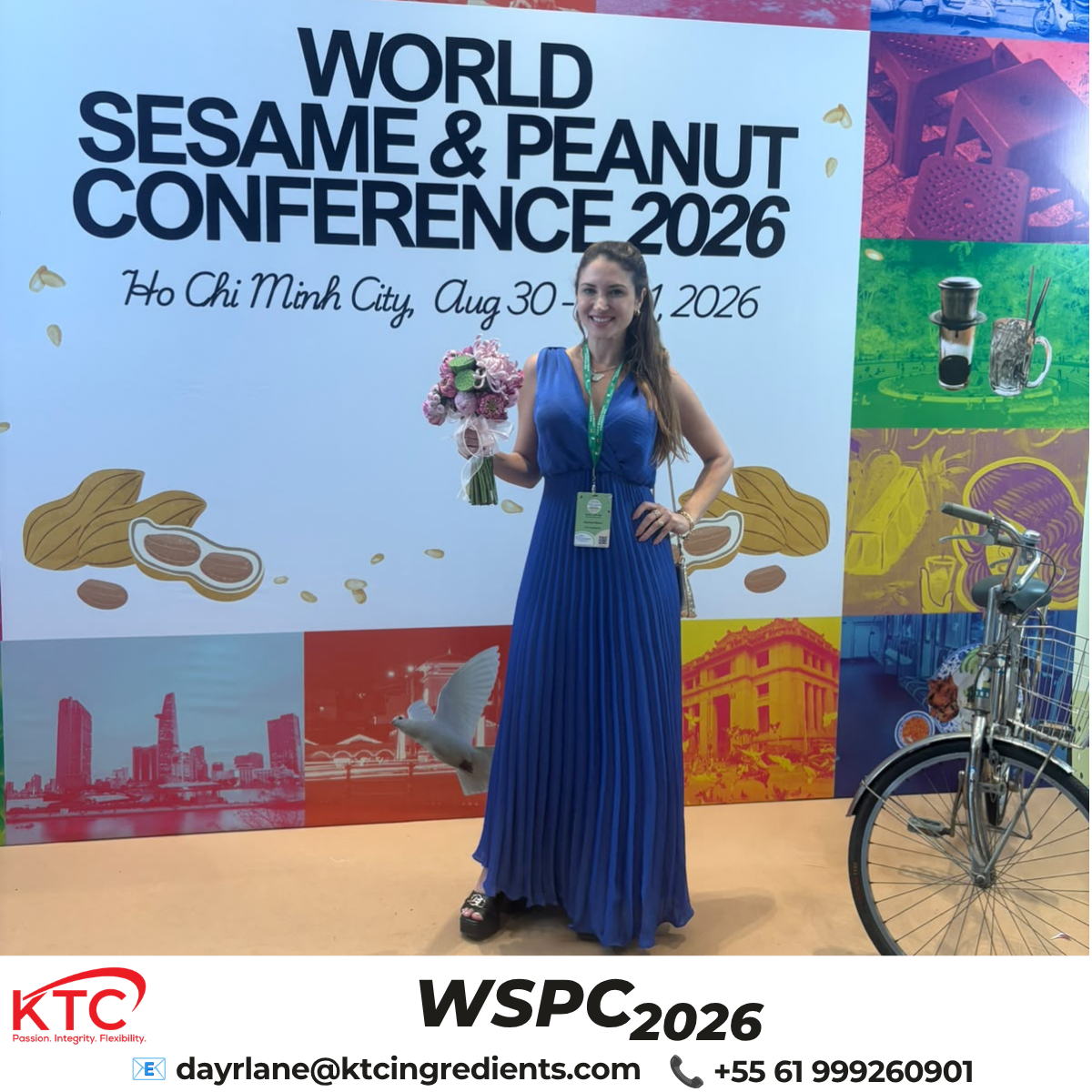
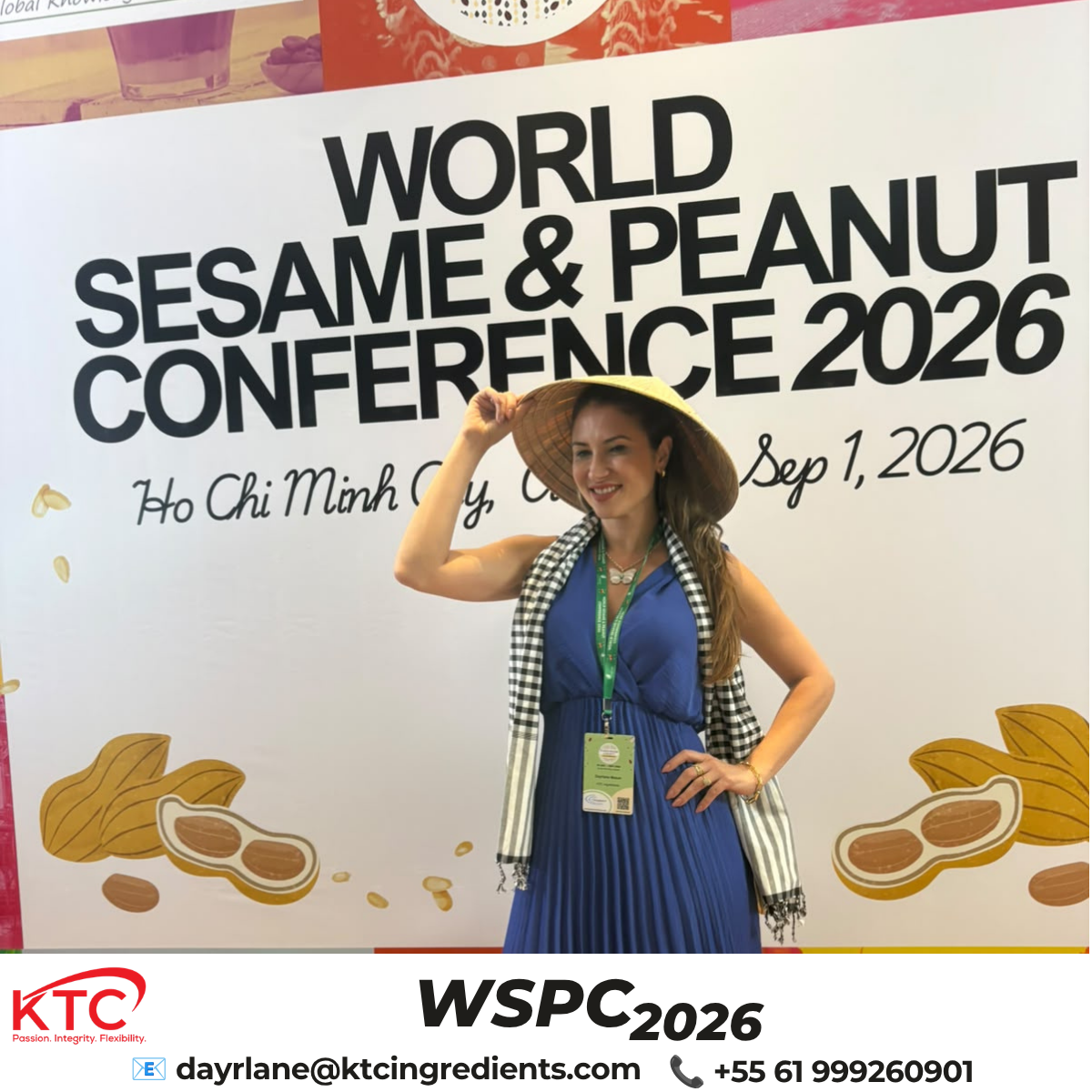
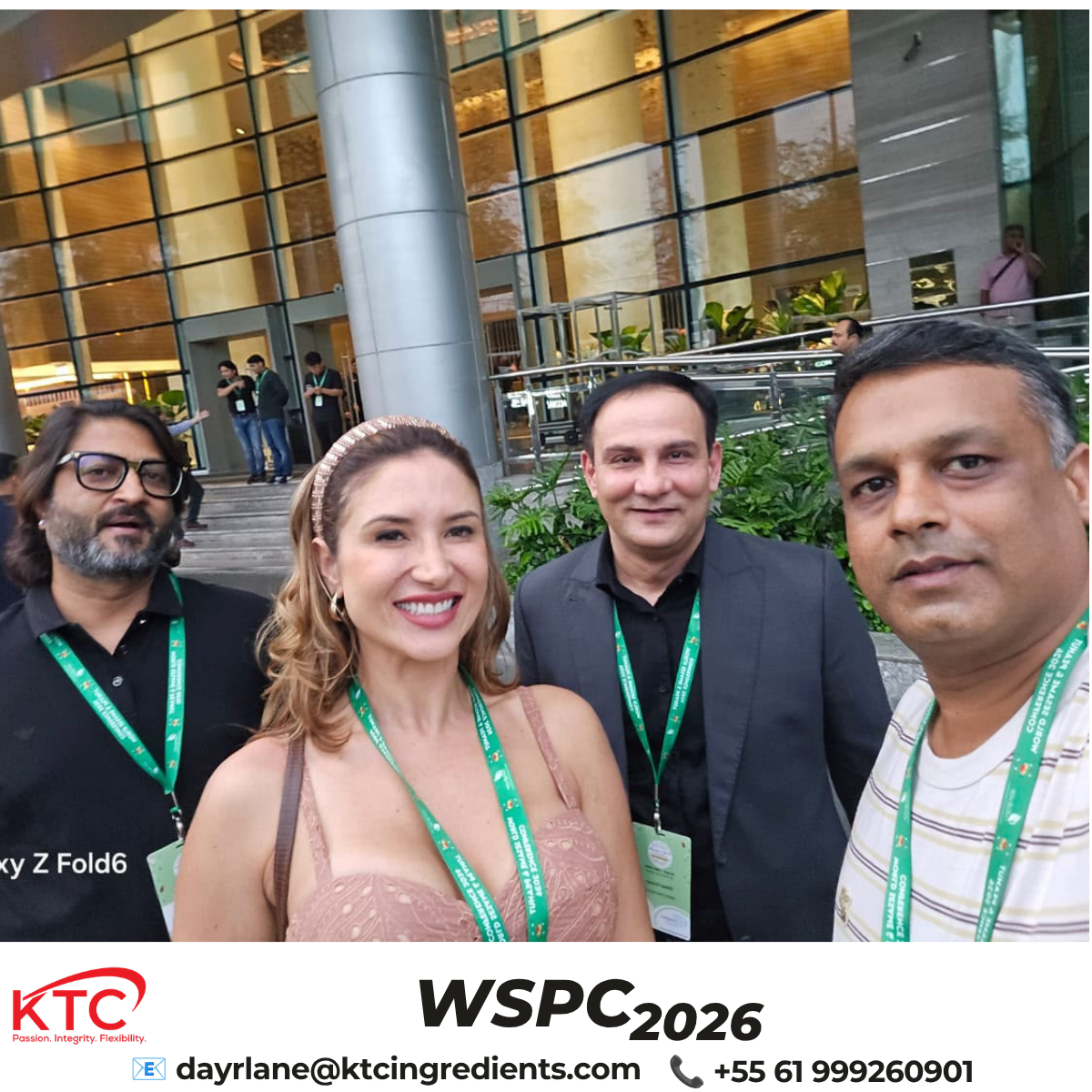
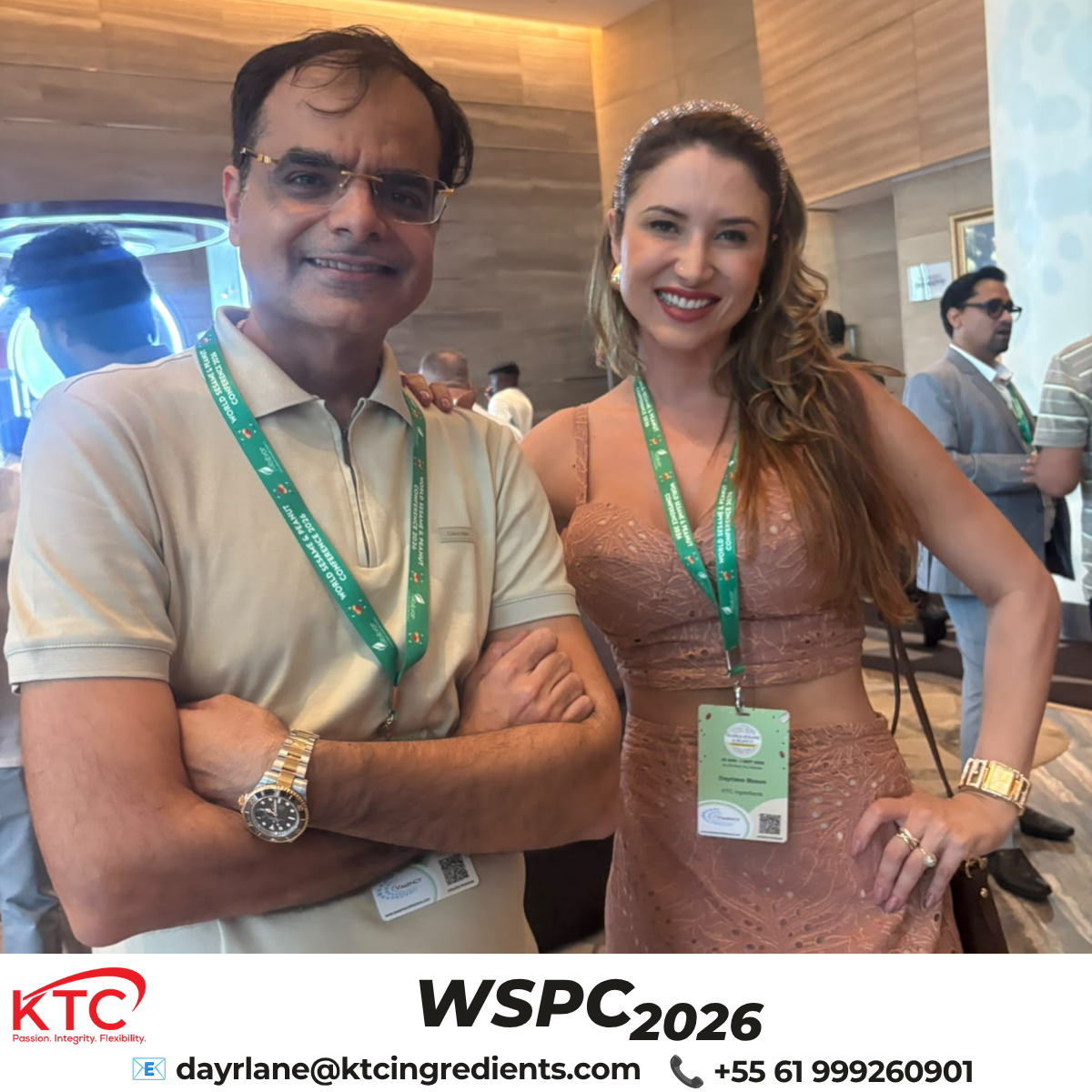
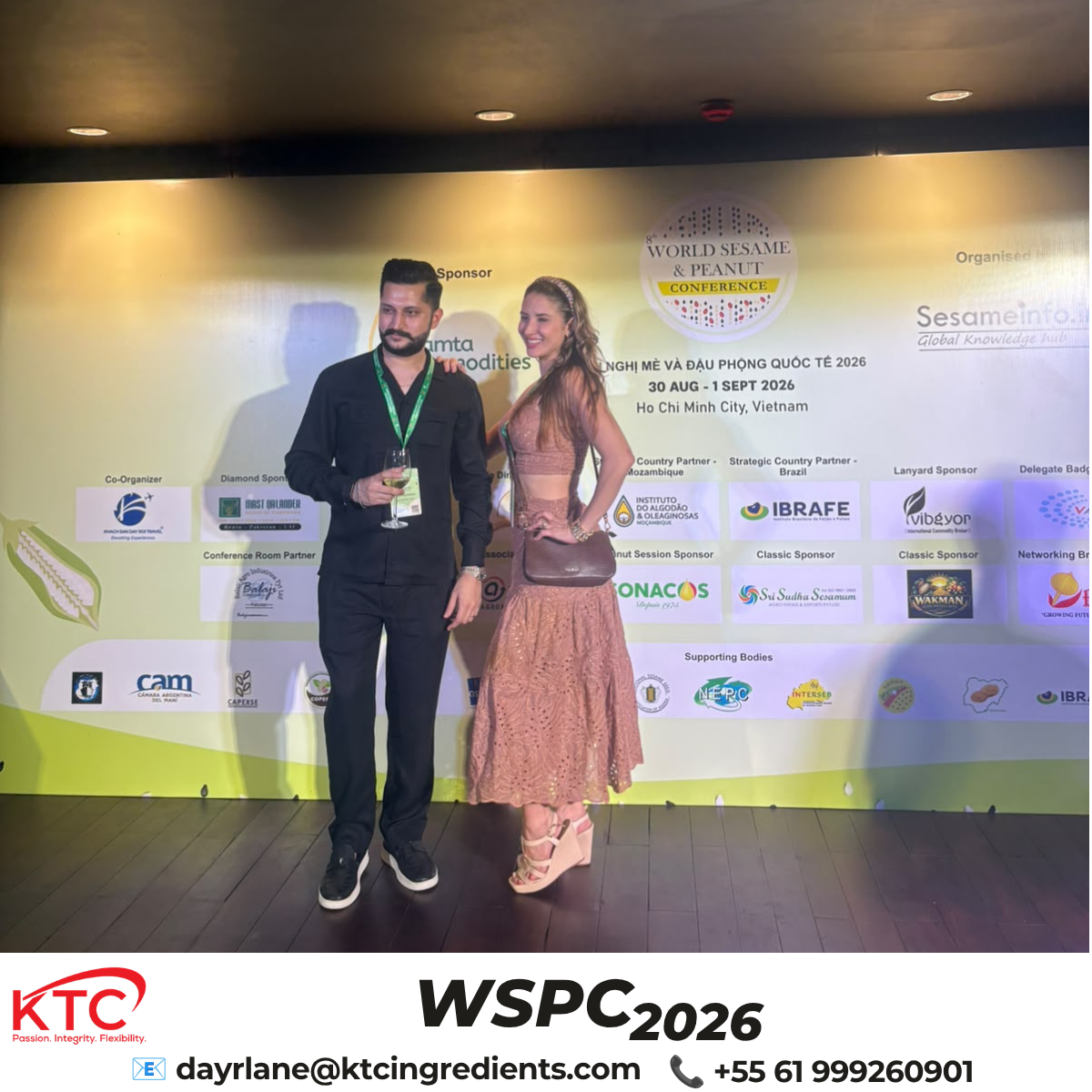
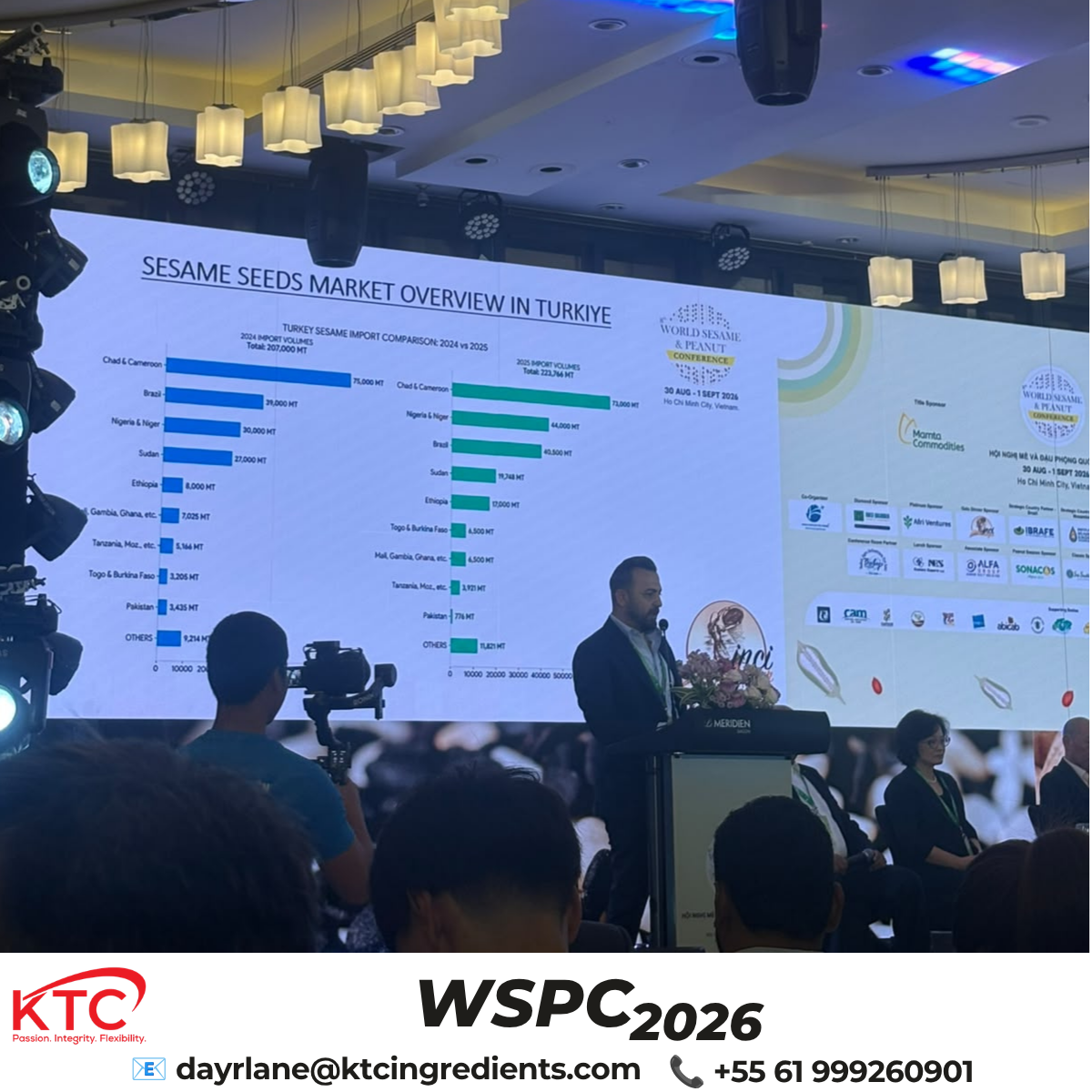
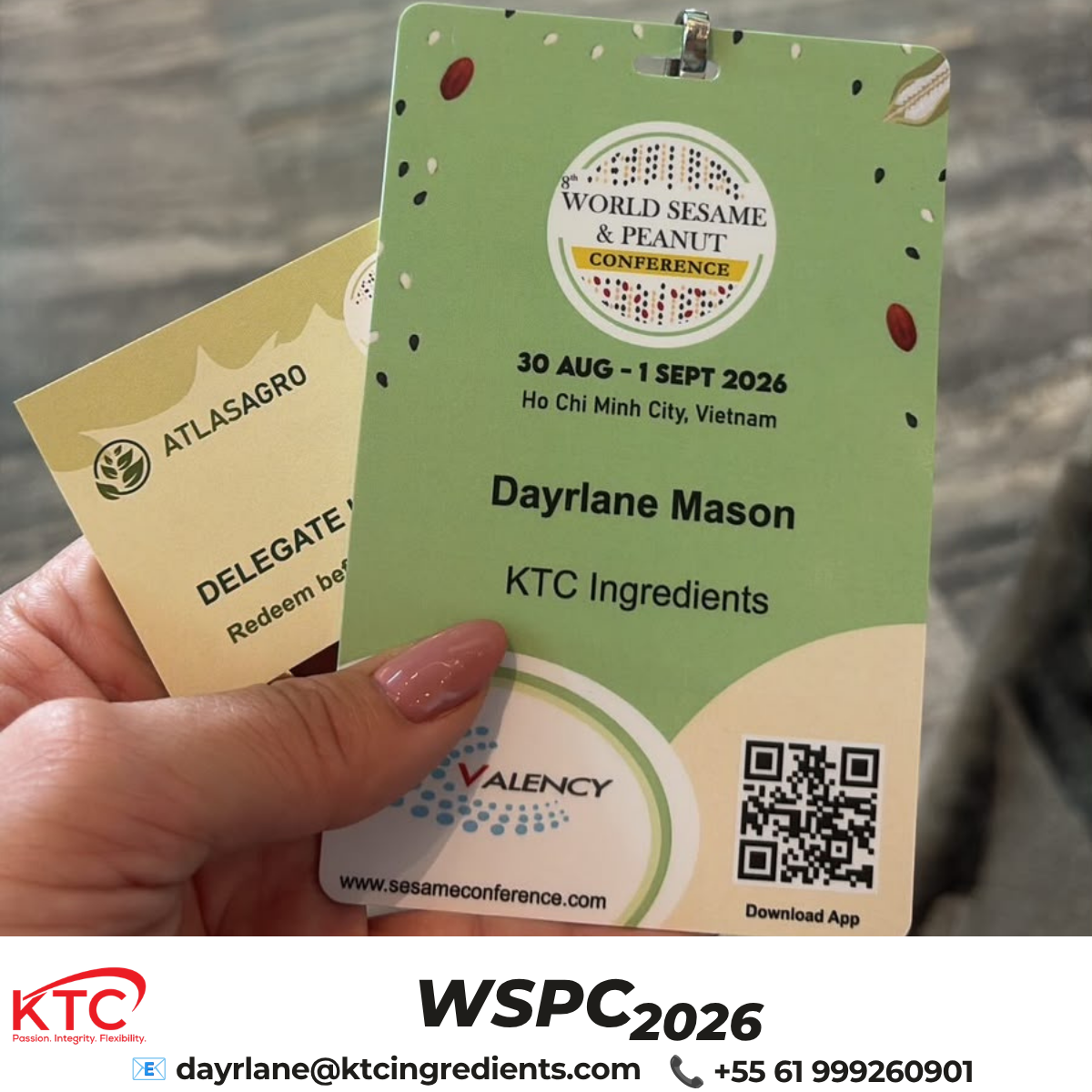
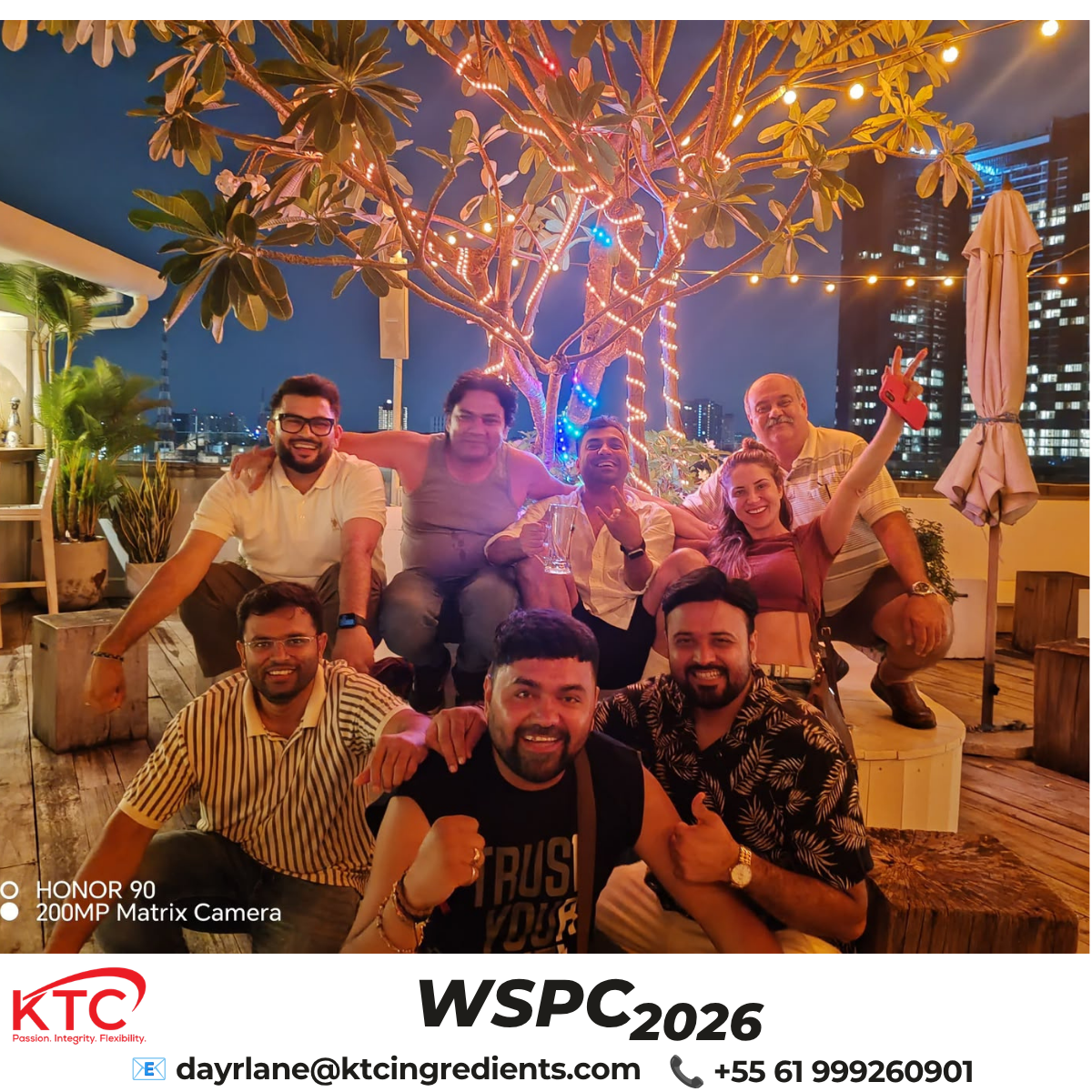
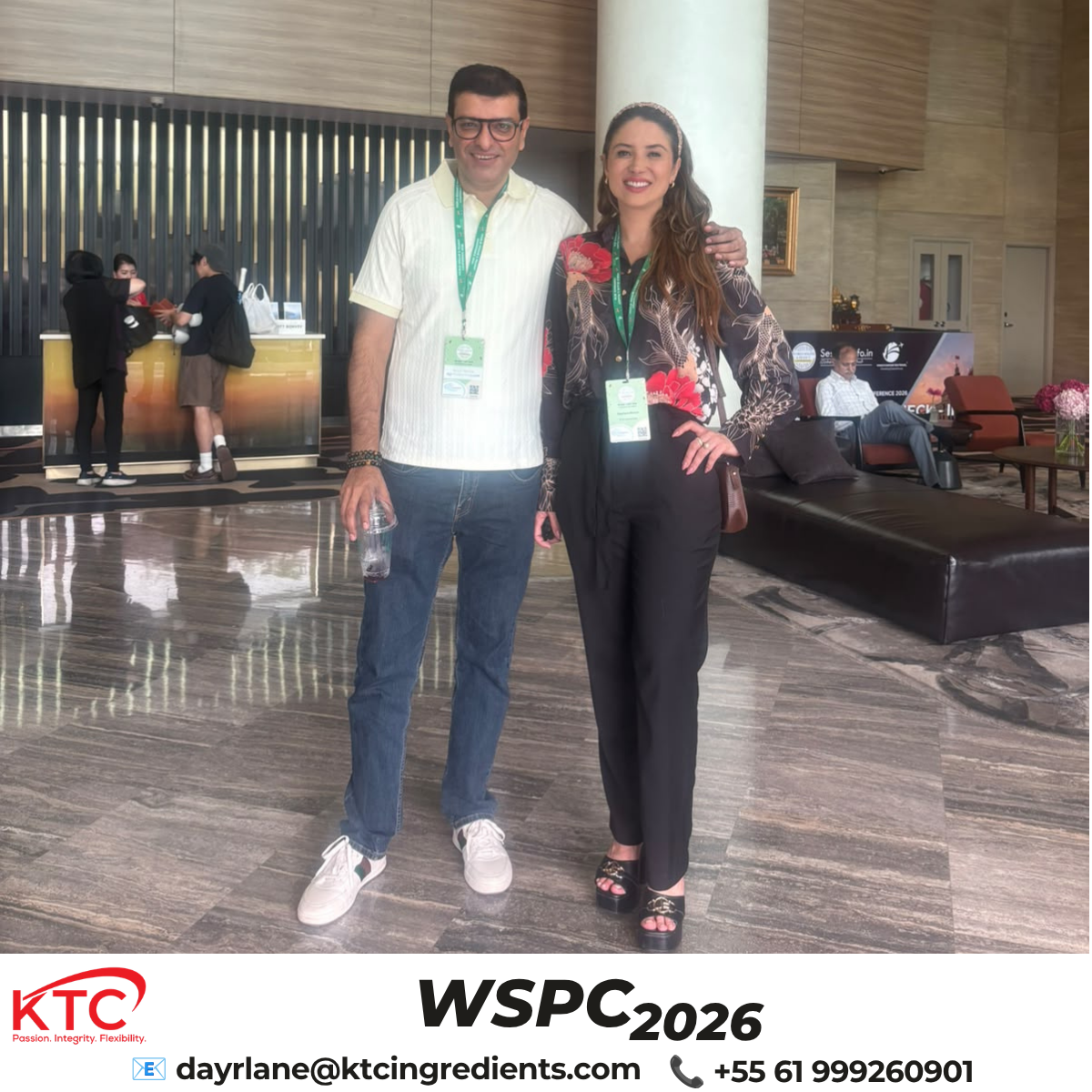
KTC BV was pleased to participate in the World Sesame & Peanut Conference 2026, held from 30 August to 1 September at Le Méridien Saigon in Ho Chi Minh City, Vietnam. Representing KTC BV at the conference was our Senior Trader, Dayrlane Mason, who joined industry professionals from across the global sesame and peanut supply chains.
The conference brought together producers, exporters, traders, processors, technology providers, and other industry stakeholders from major producing and consuming markets, creating an opportunity to exchange perspectives at an important point in the agricultural calendar.
Looking Ahead to the 2026/27 Season
One of the most valuable aspects of the conference was its timing.
With the main sesame and peanut production period generally falling between June and October, the event provided an opportunity for market participants to assess the developing 2026/27 season and discuss expectations for supply, demand, quality and pricing.
For KTC BV, this type of market intelligence is particularly relevant. Staying close to developments at origin allows us to better understand availability and anticipate potential changes before they reach the wider international market.
The program featured detailed discussions on origin-wise sesame supply, with perspectives covering Sudan, Pakistan, Burkina Faso, Togo, Chad, Tanzania, Ethiopia, Mozambique and Nigeria, among others. The conference also examined global peanut supply developments across key origins including India, China, Brazil, the United States and Senegal.
Understanding the Global Sesame Market
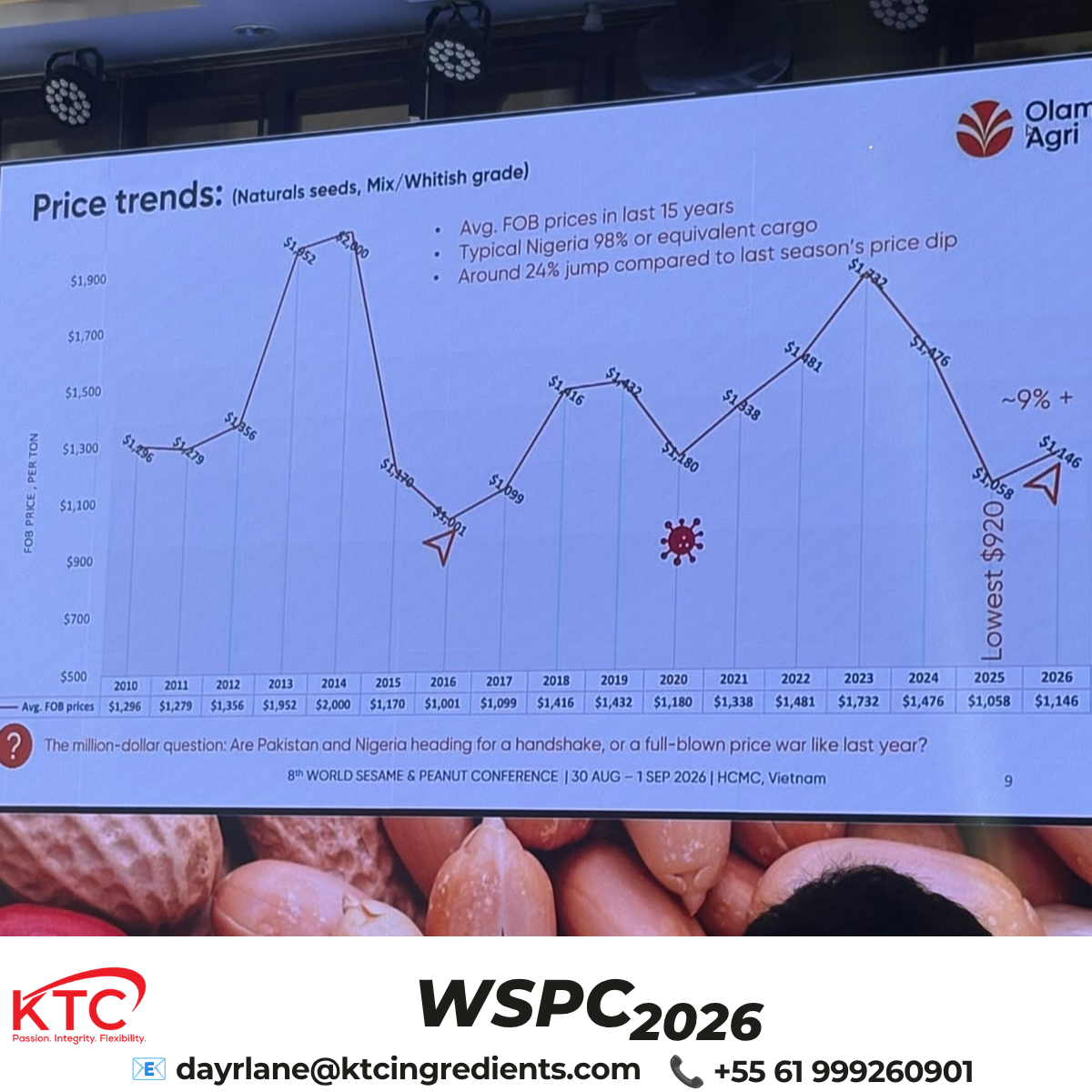
The conference’s discussions around global sesame markets highlighted the increasingly interconnected nature of the sector.
Supply developments in producing countries, weather conditions, crop performance, logistics, quality requirements and demand from major importing markets can all influence international trade flows.
Particular attention was also given to major consumption markets including China, Japan, Korea, Egypt, India and Türkiye, providing a broader view of where demand may develop during the coming season.
For a global trading company, understanding both sides of this equation—where supply is developing and where demand is moving—is essential for building flexible sourcing strategies.
Brazil and the Changing Sesame Supply Landscape
Another notable topic was the development of the Brazilian sesame industry.
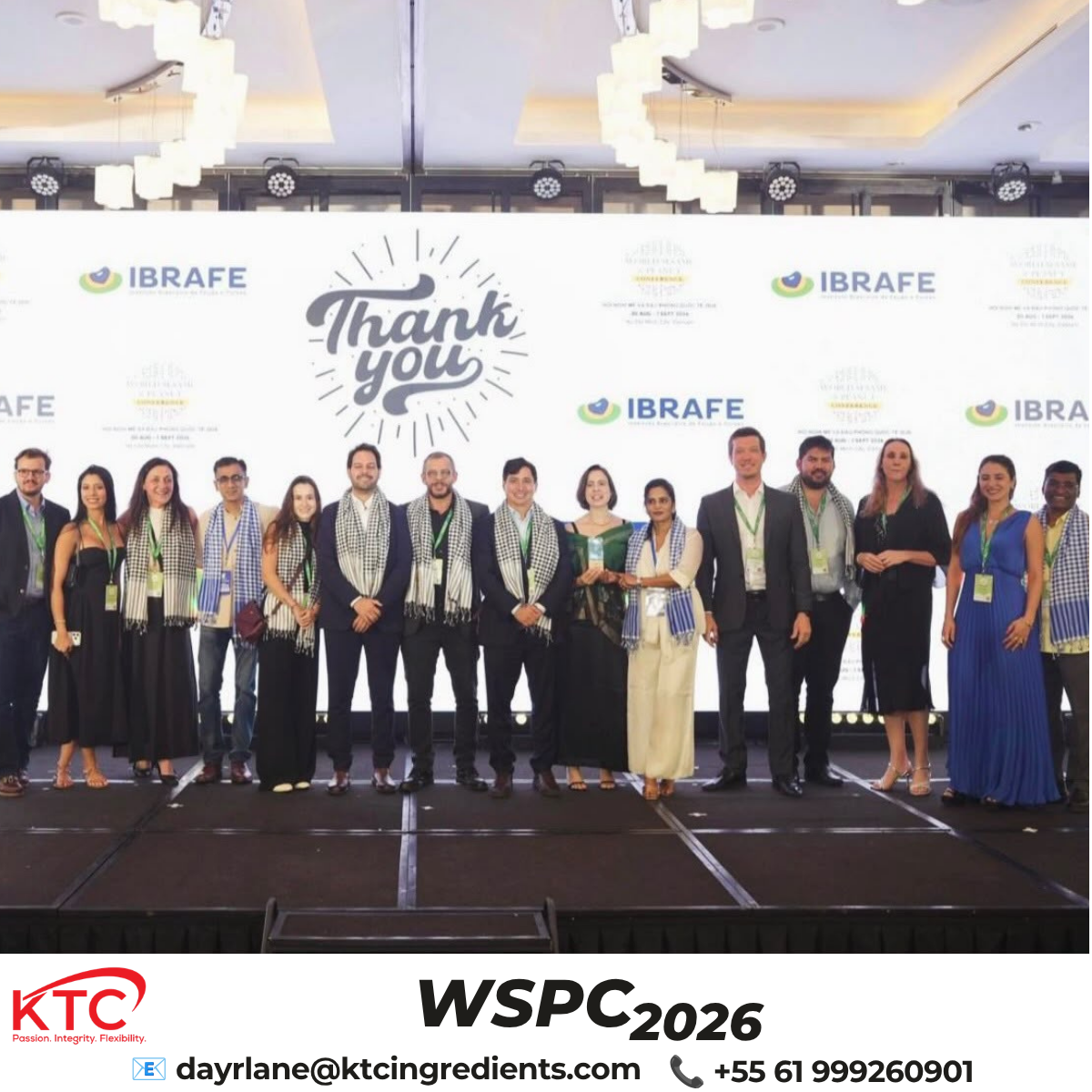
A dedicated session explored Brazilian sesame and the potential for building long-term partnerships, with representatives from organisations including IBRAFE, Samba Foods, Arbaza Alimentos, Cisbra and Atlas Agro contributing their perspectives.
Brazil’s growing relevance as an agricultural origin is particularly interesting from a global sourcing perspective. As new origins develop their production and export capabilities, they can create additional opportunities for diversification and contribute to a more flexible international supply network.
This is closely aligned with KTC BV’s approach to sourcing: maintaining awareness of established origins while continuously evaluating emerging opportunities.
Technology, Quality and Food Safety
The conference also looked beyond crop supply and market pricing.
Technology and innovation were addressed through dedicated sessions, including discussions around sorting and processing solutions. Food safety and quality standards were another important area, with a dedicated session examining risk mitigation within the sesame sector.
These topics are increasingly important throughout the food ingredient industry. Buyers today require not only competitive pricing and reliable availability, but also consistency, quality assurance and confidence in the supply chain behind the product.
For KTC BV, maintaining awareness of these developments supports our ability to work with suppliers and customers on the requirements that matter throughout the sourcing process.
From Market Insight to Market Relationships
While conference sessions provide valuable information, some of the most important insights come through direct conversations.
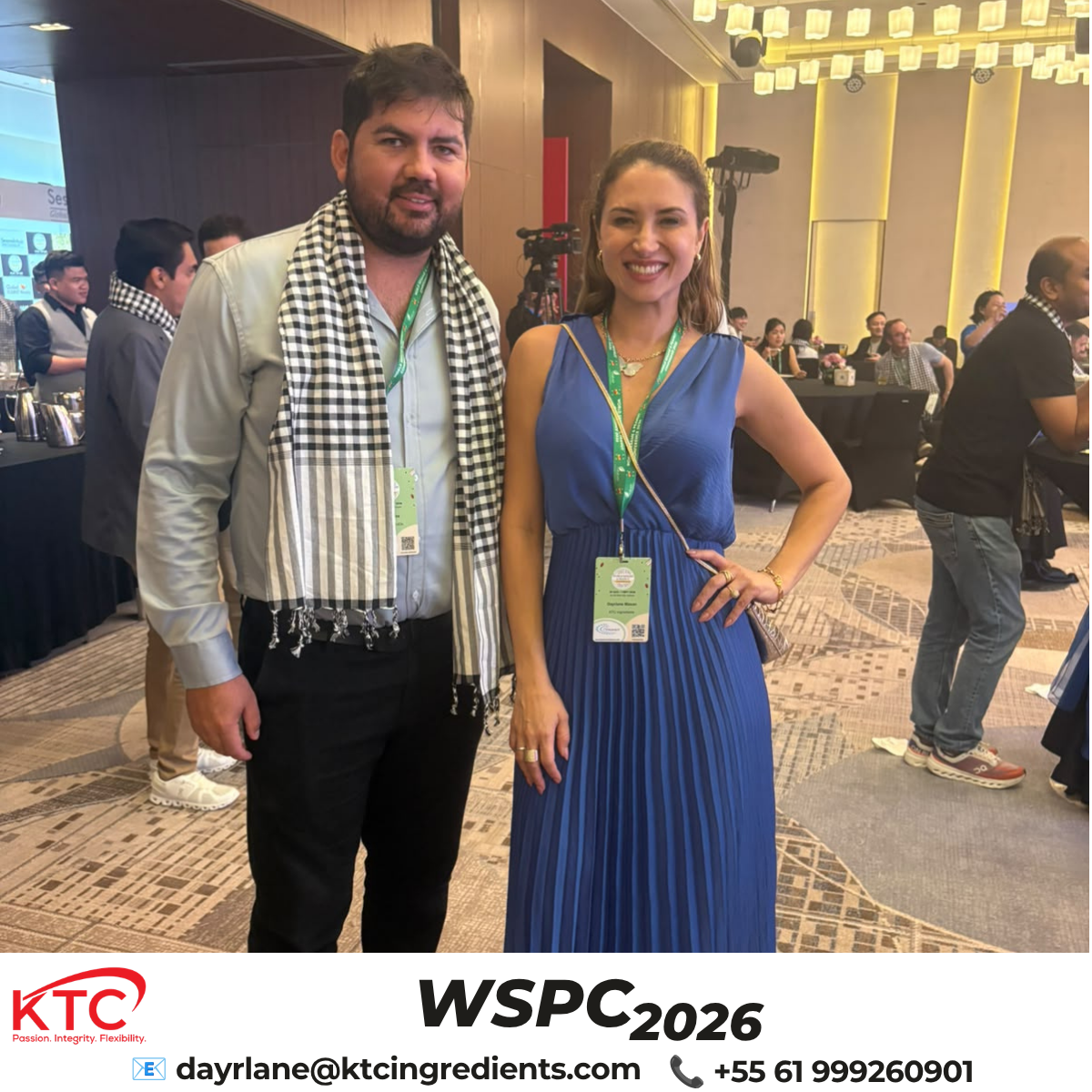
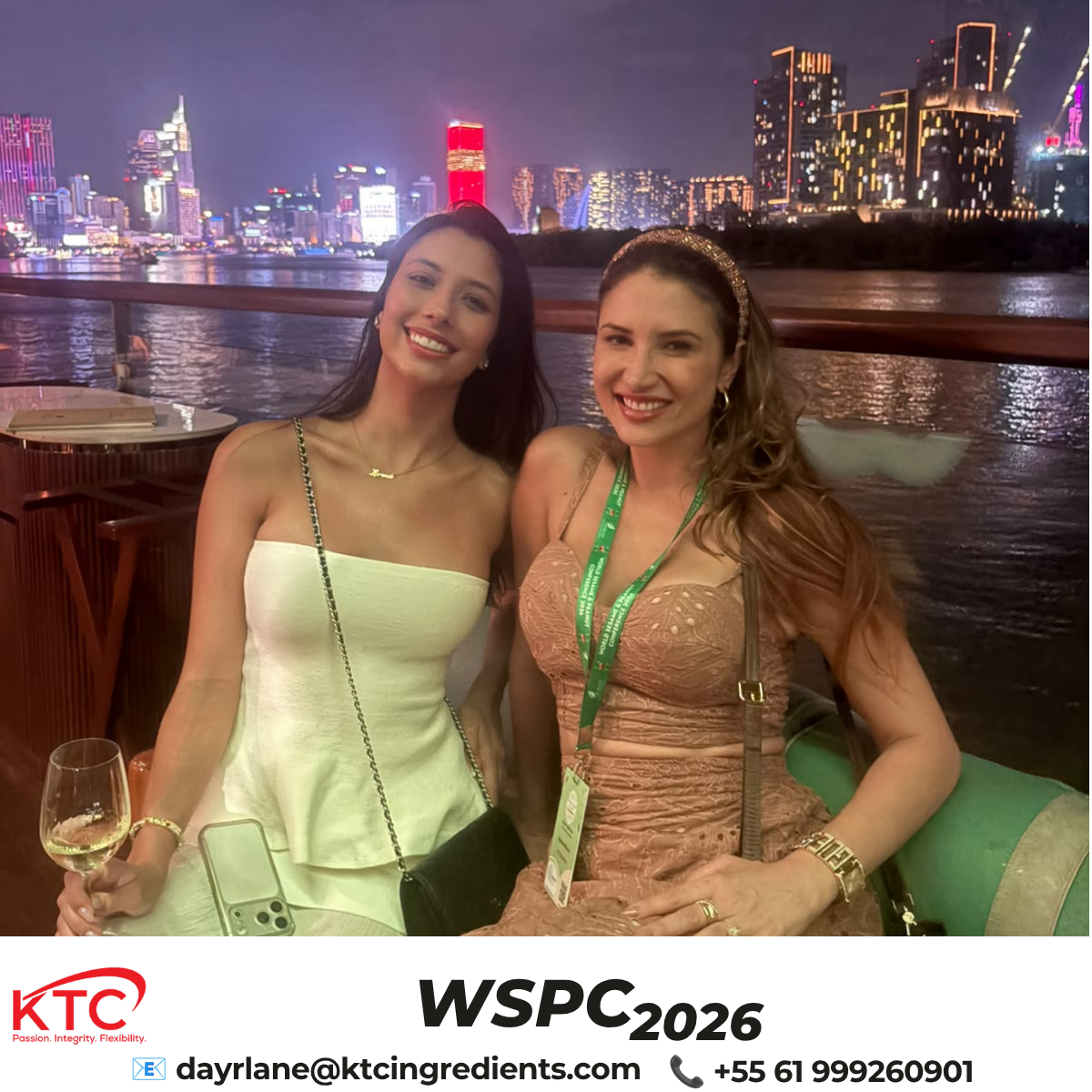
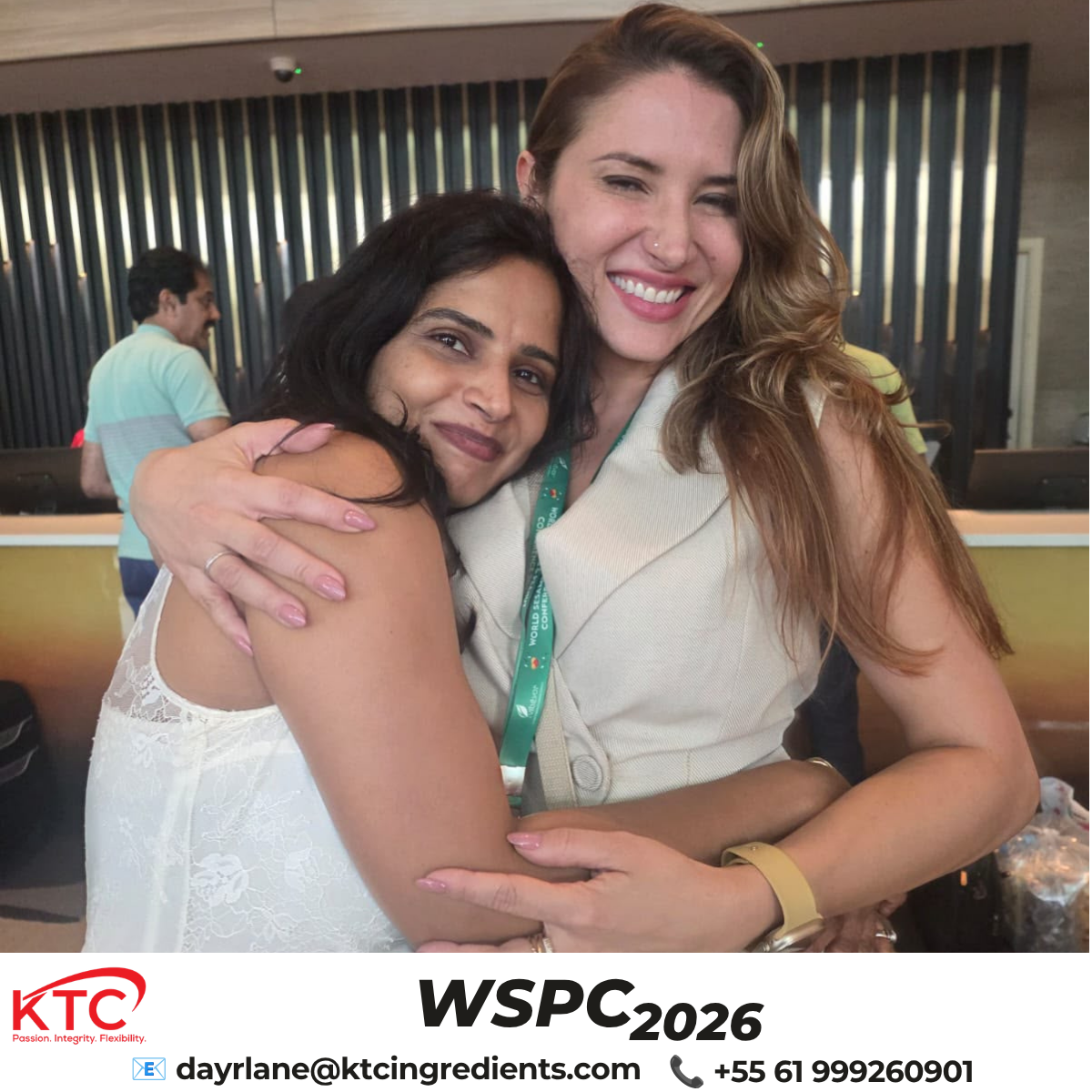
Events such as the World Sesame & Peanut Conference create an opportunity to meet existing partners, establish new connections and exchange perspectives with people working directly within producing and consuming markets.
For Dayrlane Mason, being present in Ho Chi Minh City provided an opportunity to strengthen KTC BV’s connections within the sesame and peanut industries while gaining a closer understanding of the market as the new season develops.
“Being at the World Sesame & Peanut Conference was a valuable opportunity to hear directly from different origins and markets and to understand how the industry is approaching the 2026/27 season. The conversations around supply, demand, quality and emerging origins were particularly useful, but equally important were the relationships built through meeting people from across the supply chain. These insights help us stay informed and better positioned to respond to our customers’ sourcing needs.”
— Dayrlane Mason, Senior Trader, KTC BV
Looking Ahead
The World Sesame & Peanut Conference marks an important point in the industry’s calendar, bringing together market participants just as the new crop season takes shape.
For KTC BV, participation is part of a broader commitment to staying connected to the markets and people behind the commodities we trade.
From origin-level developments and crop expectations to international demand, logistics, quality and evolving market requirements, these insights help us approach the new trading season with a broader and more informed perspective.
As the 2026/27 season develops, KTC BV will continue to monitor market developments, strengthen relationships across our sourcing network, and identify opportunities to provide reliable and flexible solutions to customers across international markets.
